
Pawplexity Essays and Treats is where the Pawdcast conversations slow down, in writing and recorded as audio.
Episodes start with situations. Essays stay longer with the ideas underneath them: control, predictability, attachment, stress, participation, ageing, responsibility, and the quiet negotiations that make up everyday life with a dog.
They are not instructions. They are attempts to look more carefully at things we usually think we already understand.
Each essay is written and recorded. The written version is here. The audio reading is on the Pawplexity Pawdcast channel, for those who prefer to listen.

Who is this dog?
We often begin with an idea of what a dog will be like. But living with them tends to complicate that picture. This piece explores why breed offers only a starting point—and how the individual dog gradually comes into view.
When the bowl stays full
An untouched food bowl has weight to it. For many of us, appetite has become one of the few daily signs of wellbeing we can observe without guessing.
This essay reflects on feeding, participation, and what we quietly expect from a simple meal.
Learning to leave
Leaving a dog alone is often described as routine.
And yet the moment before closing the door rarely feels routine at all.
This essay reflects on attachment, separation, and how an ordinary door can briefly reorganise a dog’s world.
What a vet visit teaches a dog
Veterinary visits are usually described as routine medical events. From a dog’s perspective, they can also be environments where predictability and control suddenly disappear.
This essay reflects on restraint, decision-making, and what dogs may be learning in veterinary clinics long before anything painful happens.

What we write when we leave
Every time I left Makenzie with someone else, I wrote things down. It usually began with feeding times and walking routes. But after a few lines the document started to change.
The notes slowly stopped being about tasks and began trying to explain a dog.
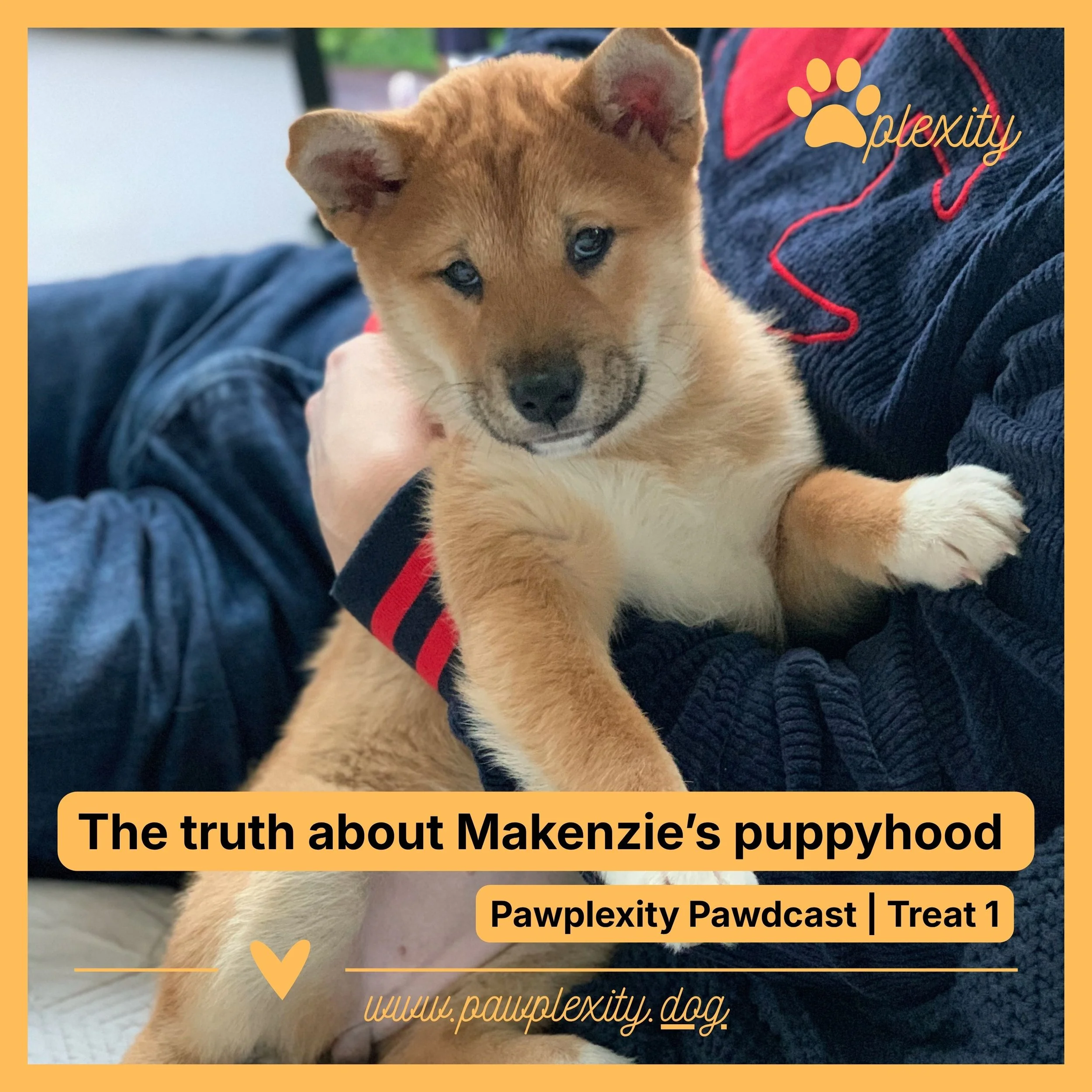
Why quiet isn’t calm
Makenzie was widely considered an easy puppy. She was quiet, observant, and seemed calm. But quiet behaviour and calm behaviour are not always the same thing. This essay explores how easily puppyhood gets labelled before we understand what we are actually seeing — and why what looks like calm on the surface may sometimes be a nervous system still trying to regulate.